AI’s Big Payoff Is Coordination, Not Automation (AKA Stop Building Faster Rowboats and Start Building a Port)
AI’s Big Payoff Is Coordination, Not Automation (AKA Stop Building Faster Rowboats and Start Building a Port)
It is like putting a jet engine on a shopping cart. Faster, sure. Still a shopping cart.
I came across an article from the Harvard Business Review about AI, Automation, and Coordination.
HBR is right: the big money in AI is not automation. It is coordination. Not the bot that writes your email faster. The bot that stops your company from acting like six separate companies that happen to share a logo.
Automation makes one person faster. Coordination makes the whole system stop being dumb. And systems-level dumbness is where most of the waste lives.
Let Me Back Up: Most Companies Don’t Have a “Work” Problem
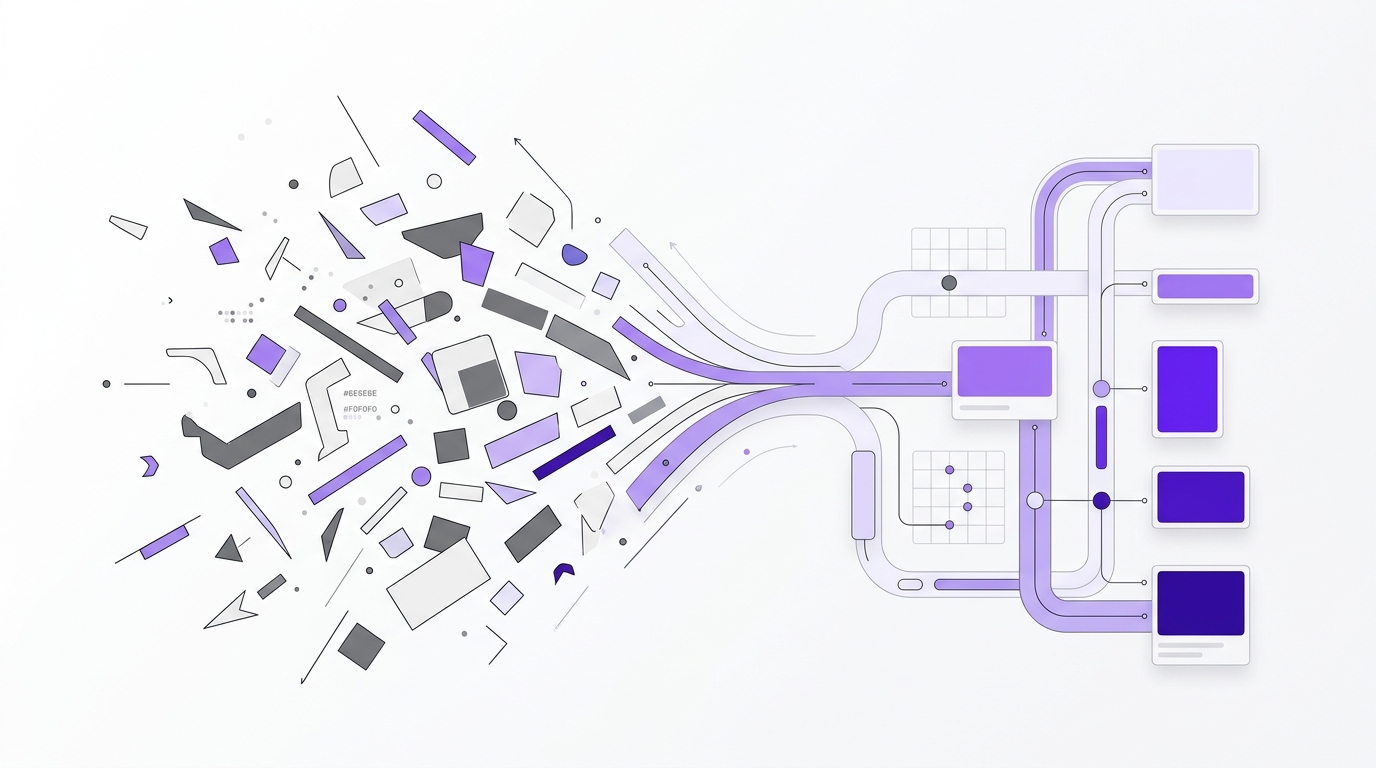
Most companies have a “the truth is scattered” problem.
The spec is in an email. The decision is in Slack. The plan is in a doc. The work is in Jira. The customer reality is in someone’s head. The timeline is in a spreadsheet that was last updated during the Obama administration.
So we invent the modern corporate ritual:
weekly status meetings
“quick syncs”
hand-offs that drop context
people whose job is basically “human router”
HBR calls this the coordination problem and frames the costs as “translation costs.” Constant friction moving information between teams and tools that do not naturally line up.
Automation feels good, but ultimately, barely moves the needle.
Companies are flocking to automation because it is legible. You can point at a task and say “AI did that.”
But you can automate local tasks and still ship late. Because the bottleneck was not typing. The bottleneck was alignment.
It is like putting a jet engine on a shopping cart. Faster, sure. Still a shopping cart.
The Catch: Coordination Requires Authority, Not Just Intelligence
The HBR framing that matters is this: AI can act like a universal translator. It can read the messy stuff and turn it into shared context, and the software starts adapting to humans. That is the unlock.
Coordination AI cannot just be a clever summarizer. The moment it coordinates, it is stepping into contested territory: what is canonical, what matters, who needs to know, what counts as “done.”
If you do not design for this, you get a gorgeous dashboard that is wrong. Then everyone goes back to meetings, because meetings are the only thing people trust.
The goal is not “AI that knows stuff.” The goal is shared state teams trust enough to act on.
What To Do With This
HBR says shift from “what tasks can we automate?” to “where are the coordination bottlenecks?”
Find hotspots: where work stalls waiting for clarity, context, or approval.
Track handoffs: every boundary crossing is where time disappears.
Define truth objects: decisions, owners, deadlines, dependencies. Make those first-class and let AI translate into them.
Where Dotted Fits In
AI’s biggest ROI is not replacing humans. It is reducing friction between humans. It is the glue that makes a bunch of specialized teams feel like one organism instead of a group project where nobody read the assignment.
This is basically what we build at Dotted. We help teams turn scattered, messy reality into shared state they can actually run on, without forcing everyone to abandon the tools they already use. Instead of “another place to do work,” Dotted becomes the layer that keeps decisions, owners, deadlines, and dependencies coherent across email, chat, docs, and ticketing.
If your week is dominated by status meetings, “quick syncs,” and chasing down the latest version of the truth, that is the coordination tax. Dotted is designed to cut that tax by making the current state of work trustworthy and easy to act on.
Want to see if this would work for your org? Reply here or reach out to us at Dotted and we’ll do a quick walkthrough using one of your real workflows.
